
The complete guide
Buying a Self Propelled Cordless Lawn Mower, Explained
The problem with the mower in your shed
Most people do not hate mowing. They hate the mower. Petrol machines need fuel, they need the right oil, they need a pull start that works on the first or second go, and they announce to the whole street that you are awake. Corded electrics solve the noise but add a cable you have to keep track of while walking backwards. And almost every heavy mower turns a modest slope into a shove.
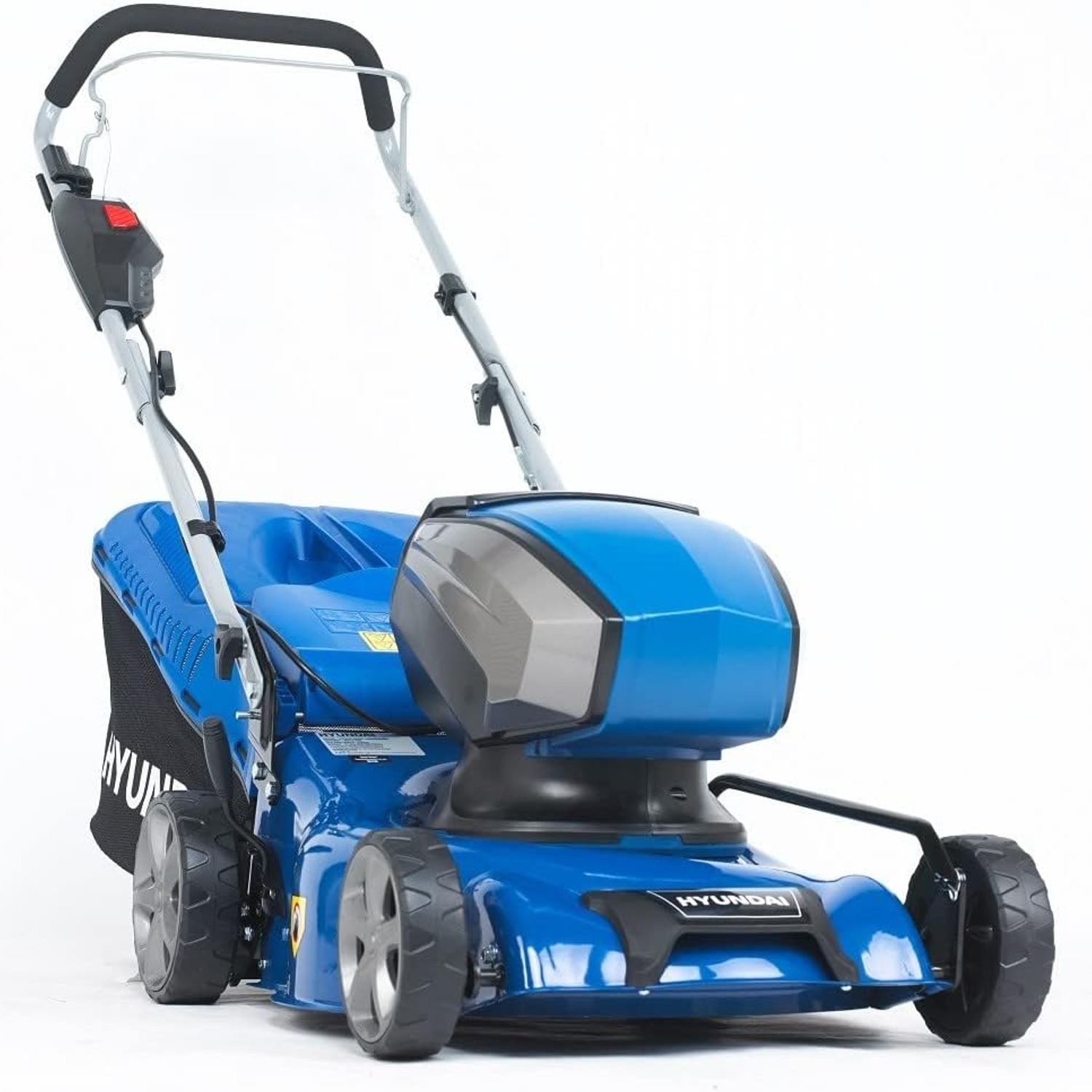
A self propelled cordless lawn mower removes most of that friction at once. You clip in a charged battery, turn a key, press a button and go. The machine pulls itself forward. The noise is low enough that you can mow at eight in the morning without a neighbourly chat about it afterwards. When you are done, nothing smells of petrol.
This guide covers how a 40V battery self propelled mower works, who it suits, how to choose between deck sizes, and what to do to keep it running well.
How the drive system works
On a push mower, the wheels are just wheels. You supply all the forward force. On a self-propelled mower, the motor also turns the rear wheels, so the mower moves at a walking pace and you steer the handle.
That sounds like a small thing until you mow a lawn with any of these features: a slope, long runs, thick spring growth, or a surface that is bumpy underfoot. In all of those cases, the energy you were spending pushing is the energy that made the job feel long. Take it away and the same lawn becomes a twenty minute walk.
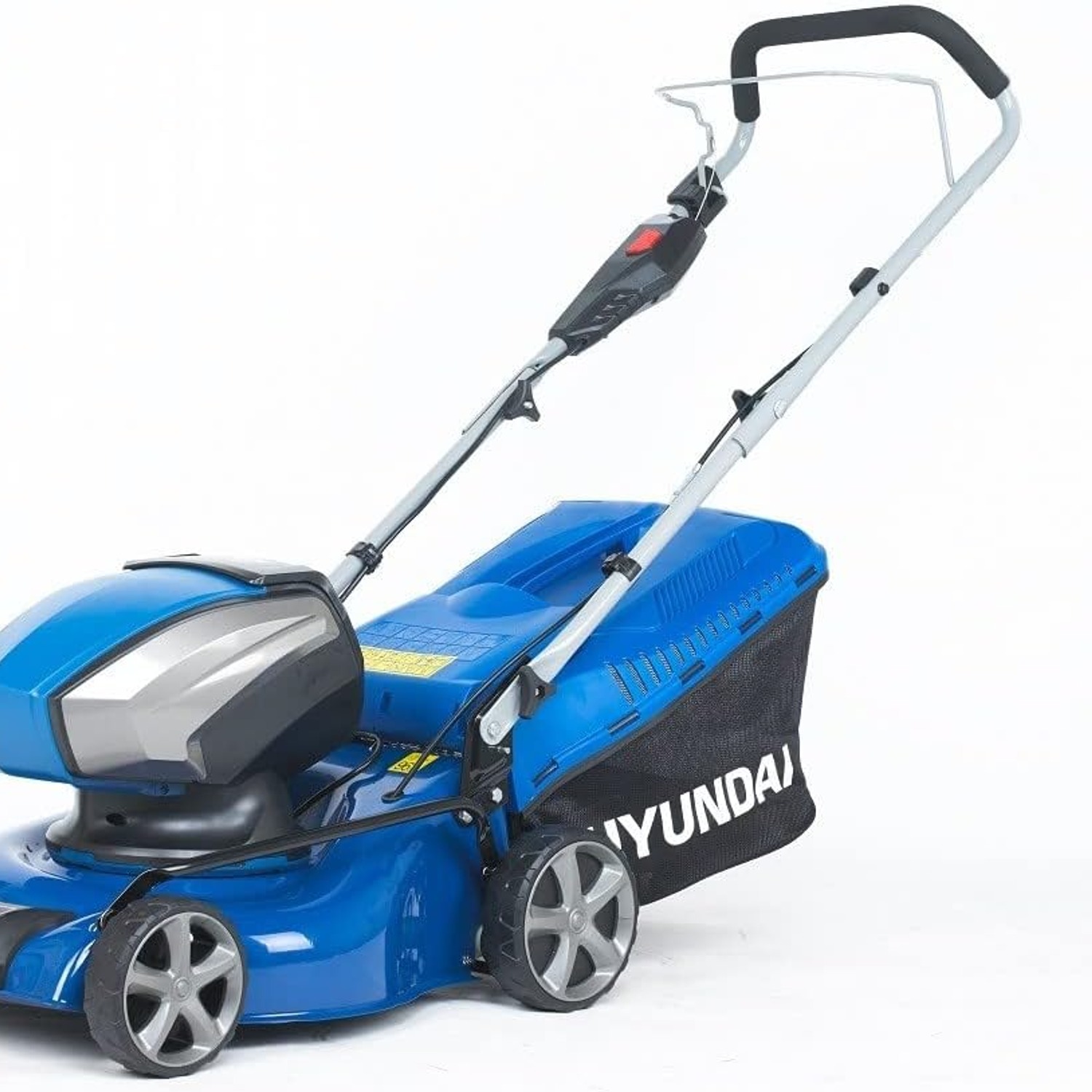
The control layout here is simple. There is a safety key, a start button, and an operator presence lever on the handle. Pull the lever back to run, let it go to stop. It is a dead man's switch, and it is the reason you can step away from the machine safely at any point.
Why 40V and a 4Ah battery matters
Voltage and amp hours do different jobs. Voltage relates to how much grunt the motor can deliver, so a 40V system has more pulling power through thick grass than a lower voltage garden tool. Amp hours relate to how long the pack lasts before it needs a charge, so a 4Ah pack holds twice the energy of a 2Ah pack of the same voltage.
This is sold as a starter package, which means the 4Ah battery and the charger are both in the box. That is worth checking on any listing, because plenty of cordless tools are sold bare and the battery plus charger can add a serious amount to the price. Charging takes around 80 minutes.
Real run time depends on what you are cutting. Short dry grass at a high deck setting sips power. Damp, thick grass at a low setting, with the self-propel drive working the whole time, will pull harder and empty the pack sooner. That is true of every battery mower on the market, not a quirk of this one. The practical fix is mowing a little more often so each cut is light, and buying a second pack if your lawn sits right at the edge of one charge.
Is a 42cm deck the right size?
Deck width decides how many passes you make. A 420 mm steel deck covers a solid strip without being unwieldy. People instinctively reach for the widest deck they can afford, and that is often a mistake on a real garden.
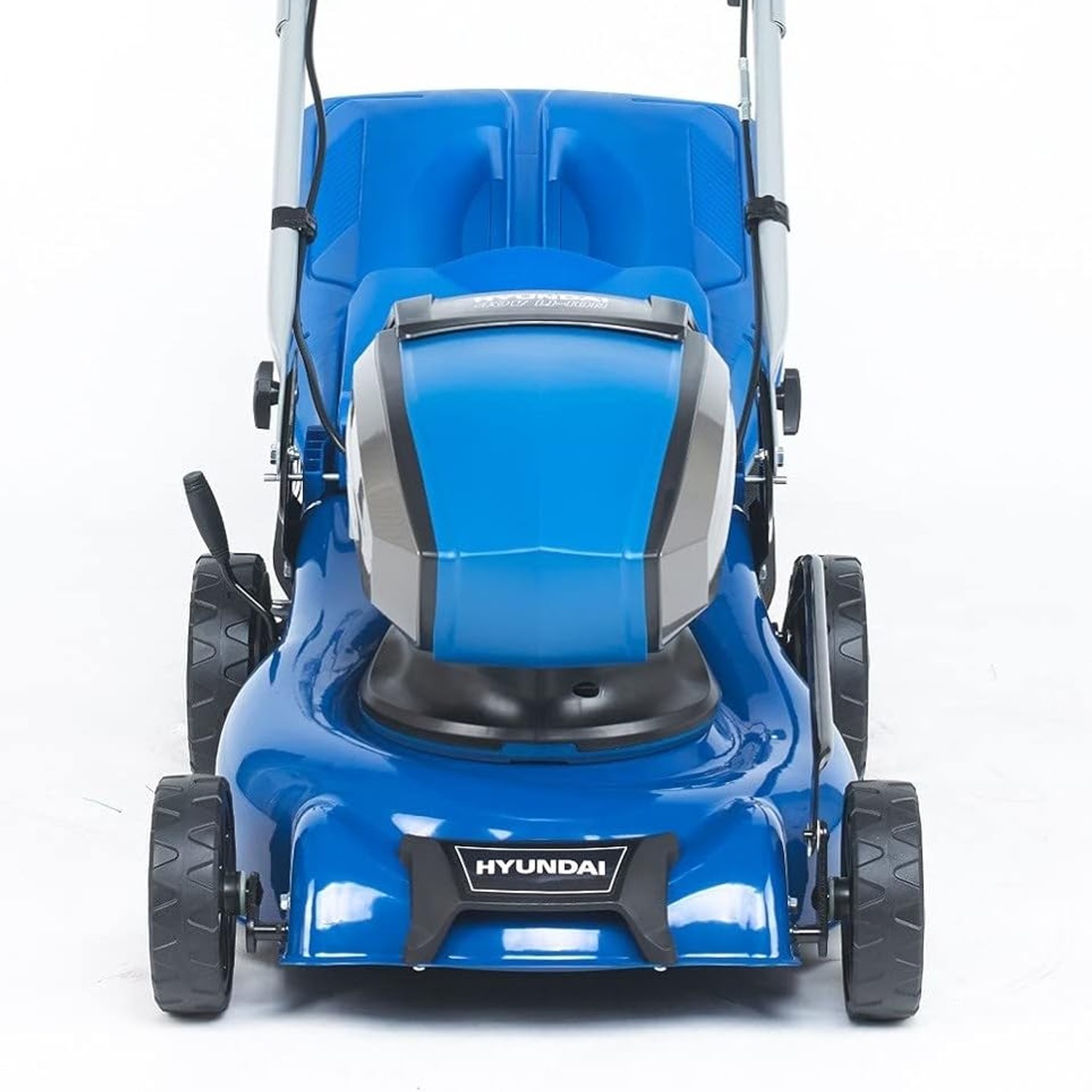
Think about the obstacles. If your lawn has garden beds, a clothesline post, a tree or two, a trampoline and a narrow side passage to the front yard, a wide deck spends half its time reversing out of corners. A 42cm steel deck cordless mower turns inside those spaces and still eats open ground at a fair rate.
Rough guide. Courtyards and small front lawns are easy. A standard suburban back and front yard is comfortable. A large open block is possible but you will want a spare battery and a bit of patience. If you have a very big property, look at a wider deck or a ride-on instead.
The steel deck is a quality point too. Steel takes the knocks of hitting a sprinkler head or a hidden root better than thinner plastic, and it holds its shape over years of use. It does need to be kept dry after cleaning, which is a thirty second job.
Six cutting heights and what to do with them
Six positions sounds like detail, but height is the single biggest lever you have over how your lawn looks and how healthy it stays.
Cut too short and you expose the soil, which dries out and invites weeds. Cut too long all the time and the lawn gets soft and thatchy. The useful habit is to move the height with the season. Lower in the cooler months when growth is steady and you want a crisp finish. Higher through hot, dry periods, because longer blades shade the roots and the lawn holds colour for longer between waterings.
The other use for adjustable height is rescue work. If you come back from holiday to grass halfway up your shins, do not try to take it down in one pass. Set the deck high, cut it once, wait a couple of days, then drop a notch and cut again. Your mower will thank you and so will the lawn.
Living with a cordless mower
Noise is the first thing people notice. A battery mower hums rather than roars. You can run it early without guilt, and you can hear if someone calls out to you. On a small street, that alone changes how you feel about the job.
The second thing is the lack of ritual. No fuel can, no oil top-up, no choke lever, no three pulls on a cold morning. You go to the shed, grab the mower, and it works. Over a season that saved friction is why battery machines actually get used rather than avoided.
Storage is the third. The handles fold and the mower stands upright, so it lives in a corner rather than taking a lane of the garage. At 19.9 kg, the whole machine is light enough to tip on its side for cleaning or lift into a car boot if you mow at a second property.
Care that actually matters
Four habits cover almost everything.
Pull the battery and the safety key before you touch the underside. Every time, no exceptions.
Clear the clippings from under the deck after each mow. A brush or a wooden scraper does it. Packed wet grass is what makes a mower cut badly and rust slowly.
Keep the blade sharp. A blunt blade tears the grass rather than slicing it, and the tips go brown a day or two later. Once or twice a season is enough for a home lawn.
Look after the battery. Store it indoors, dry, part charged rather than flat, and give it a top up every couple of months over a long winter. Avoid leaving it in a hot car or on a sunny shelf.
The short version
If your lawn is small to medium and you are tired of petrol, this is the sensible middle ground. The self-propel drive takes the physical effort out of the job, the 420 mm steel deck is a good balance between coverage and steering, the six height settings let you adapt through the year, and the included 4Ah battery and charger mean you can mow the day it arrives.
It is not the tool for an acre of paddock. For a typical suburban garden with beds, paths and a bit of slope, it is close to ideal. Assembly is required, the handles fold for storage, and the whole thing weighs 19.9 kg. Check the lawn size against the deck width, order a second battery if your block is on the larger side, and you are set.